Odesa remains without heating: when can we expect heat
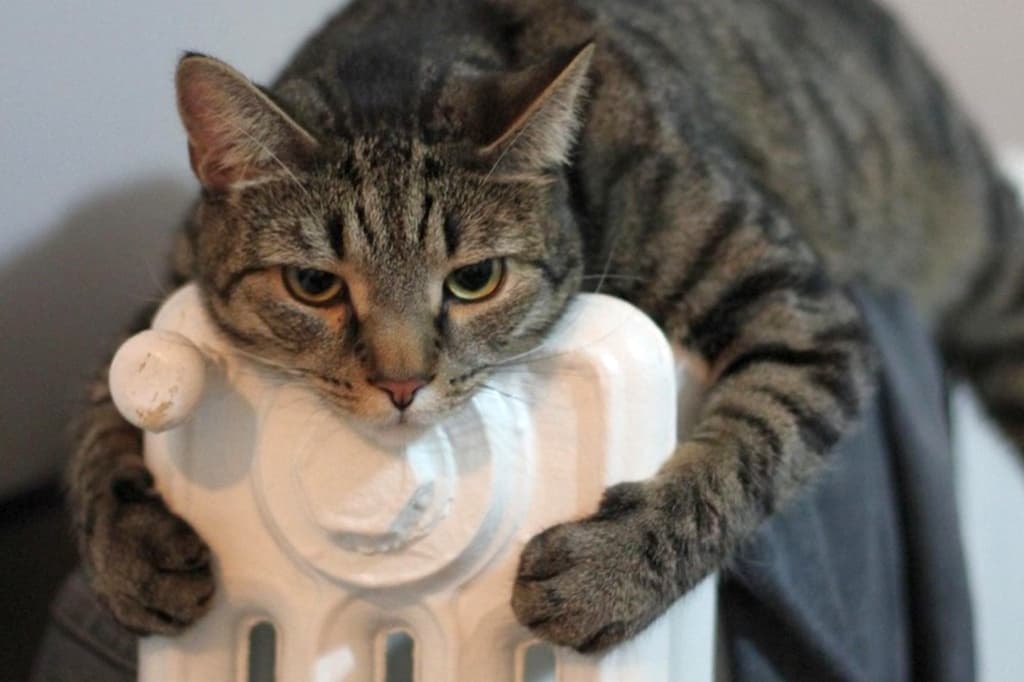
The heating season in Odesa has not begun due to the warm weather. Centralized heating requires a sustained drop in air temperature. Currently, the temperature in the city is around +11°C. At the same time, hourly power outages are in effect in Odesa, and the energy supply situation in the region remains difficult due to Russian attacks.
The heating season in Odesa has not yet begun due to weather conditions. According to Serhiy Sizohenko, a member of the Odesa city council, a certain period of low air temperature is necessary to start the heating season. At the time of the conversation, the temperature in the city was around +11°C and it was sunny.
The energy supply situation remains critical for the stable operation of municipal infrastructure. Russian forces continue to attack energy facilities in Odesa, causing disruptions in electricity and water supply. In Odesa itself, the situation with electricity supply remains relatively under control, with hourly power outages in effect. Following recent attacks and emergency restrictions, the energy sector has managed to return to normal operations.
According to the deputy, the situation with energy supply in the region is slightly more difficult, as Odesa is not fully interconnected. Any interruptions on the line lead to significant local problems, especially if the enemy destroys distribution facilities, such as substations. The duration of power outages depends on the group of consumers. On average, residents of the city may be without electricity for 8 to 16 hours a day. Schedules are regularly changed to distribute the load more evenly among consumers.
Due to the cold, 36% of schools in Odesa have switched to remote learning. In some educational institutions, the temperature drops to +9°C. Residents of Odesa are complaining about the cold in children's clinics and hospitals. Many residents are also complaining about the low temperature in their apartments, around +13-15 degrees. People are forced to wear multiple sweaters, cover themselves with two blankets, and use gas stoves, as they do not have the ability to turn on electric heaters due to prolonged power outages.